Sustainability for Indian SMEs
Expert yet accessible guides on renewable energy adoption and ESG compliance — written specifically for India's manufacturing sector.
Explore ResourcesResource Library
Focused, actionable knowledge on renewable energy and ESG compliance for Indian manufacturers.
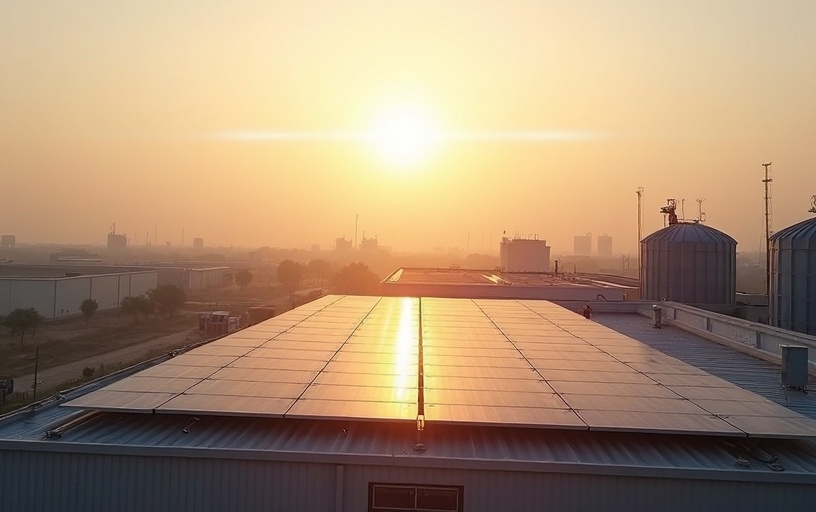
Rooftop Solar for Indian Factories: A Complete Adoption Guide
Indian SMEs can slash electricity bills by 40–70% with rooftop solar. This guide covers system sizing, CAPEX vs RESCO models, PM‑KUSUM subsidies, net metering, and step‑by‑step installation for manufacturing facilities.
Wind and Hybrid Energy Solutions for SME Clusters
Small wind turbines and solar‑wind hybrid systems are gaining traction in Gujarat, Rajasthan, and Tamil Nadu industrial corridors. Learn about group captive models, wheeling charges, and how SME clusters can share renewable infrastructure.
Biomass and Waste‑to‑Energy: Fuel Switching for Indian Manufacturers
Replacing coal and diesel with biomass briquettes, biogas, or waste‑derived fuel can cut emissions by 60–80%. Understand feedstock availability, boiler conversion costs, and MNRE incentives for Indian SMEs in textiles, food processing, and chemicals.
ESG Reporting Frameworks: What Indian SMEs Must Know by 2025
SEBI’s BRSR framework is cascading down supply chains. Even unlisted SMEs supplying to large corporates now need ESG disclosures. This guide breaks down the reporting requirements, timelines, and how to start with minimal resources.
Environmental Clearances and SPCB Compliance for Manufacturers
Non‑compliance with CPCB/SPCB norms can result in closure notices and fines up to ₹5 lakhs/day. Covers Consent to Operate renewal, hazardous waste authorisation, emission monitoring, and the complete compliance checklist.
Carbon Footprint Measurement and Reduction Roadmap
Learn how to measure Scope 1, 2, and 3 emissions for your manufacturing unit using GHG Protocol methodology. Includes a practical reduction roadmap, India‑specific emission factors, and how carbon credits fit into your ESG strategy.
Green Financing and Subsidies for Renewable Energy Projects
From SIDBI and NABARD green loans to MNRE subsidies and accelerated depreciation — Indian SMEs have access to ₹30,000+ crores in green financing annually. Learn which products suit your project and how to stack benefits.
Supply Chain ESG Due Diligence: Preparing for Buyer Audits
Global buyers increasingly require ESG audits of Indian suppliers. Understand what auditors look for, how to prepare documentation, common red flags, and how TradeMyCarbon’s verification helps you stay audit‑ready.
Energy Storage and Battery Solutions for Factory Power Backup
Battery energy storage systems (BESS) are becoming viable for Indian factories to manage peak demand, store solar energy, and replace diesel generators. Explore lithium‑ion vs flow battery options, costs, and ROI for industrial applications.
Stay Updated on Indian SME Sustainability
Get new guides, policy updates, and financing opportunities delivered to your inbox. Written for Indian manufacturers, by sustainability experts.